Start with the serving, then write the specification
A breaded chicken private-label enquiry becomes easier to compare when it describes the product the buyer needs to serve. A cutlet for a rice bowl, popcorn chicken for a sharing box and a fillet for a sandwich require different portion, coating and packing decisions. A catalogue photograph is a useful reference, but it cannot settle those details.
Use the checklist below to build one brief for every quotation. Record your requested targets separately from the supplier’s confirmed specification. Where a field is undecided, write ‘to be agreed’ rather than letting a product name stand in for a technical answer.
Define the piece and the portion
State whether you need a whole cut, a formed portion or another construction, then ask the supplier to confirm it. Specify the cut and any bone or skin requirements. For a cutlet, thickness and footprint may matter as much as nominal weight; for bite-size chicken, the size distribution affects the number of pieces in a serving.
Clarify whether the quoted piece weight includes coating and whether it is measured as supplied or after preparation. Ask how the agreed tolerance is checked. A nominal average and a guaranteed minimum are different commitments.
| Field | Put in the RFQ |
|---|---|
| Product reference | Catalogue name or reference sample, plus intended menu or retail use |
| Construction | Requested meat cut, whole-cut or formed format, bone and skin requirements |
| Portion control | Target supplied weight, tolerance, dimensions and expected pieces per serving |
| Composition | Declared meat content, full ingredients and allergen information for review |
Describe the coating in terms the kitchen can assess
‘Crispy’ does not define a coating. Describe the desired crumb size, surface appearance, seasoning and colour after the agreed preparation method. Say whether sauce will be added, supplied separately or omitted. Request the coating specification and ingredient declaration instead of assuming that all breaded or battered products have the same composition.
List any ingredient exclusions as requirements for supplier review. The exact recipe and cross-contact information must support any proposed label claim. An allergen statement from another product, including one in the same range, is not a substitute.
Confirm supply state before comparing preparation time
Ask whether the product is supplied raw, partially cooked or fully cooked, and obtain the written preparation instructions for that exact item. Public supplier specifications show why this matters: a battered chicken product may be described as both uncooked and par-fried. A golden coating therefore does not establish ready-to-eat status.
Tell the supplier which equipment the customer will use and whether the intended process starts from frozen or thawed product. Request the relevant storage conditions and shelf life. Do not transfer another supplier’s cooking times or temperatures to a proposed private-label item.
Separate the product brief from the pack and label brief
State foodservice or retail use, bag net weight, bags per case and any resealing or portion-pack requirement. Ask for the proposed case dimensions, net and gross weights, and loading arrangement when reviewing logistics. Confirm how individual pieces separate during normal handling rather than assuming an individually frozen format.
For OEM artwork, identify the brand owner, destination, required languages, barcode responsibility and who approves the final proof. Review the ingredients, allergens, product description, storage and preparation information, lot coding and date marking against the agreed specification and destination requirements. Printing should follow approval of both the product and the artwork.
Make sample approval repeatable
Agree the evaluation method before comparing samples. Use the documented preparation instructions, record the equipment and batch size, and keep the same serving conditions across candidates. Separate preference scores from measured results so that a tasting comment does not become an unsupported performance claim.
- Record sample identification, specification version and packaging condition on receipt.
- Check supplied piece weights, dimensions, piece count and visible coating loss.
- Review coating adhesion, texture, seasoning and appearance after preparation.
- If service involves holding or sauce, agree that test and record its actual conditions.
- Save the accepted sample reference and written acceptance criteria for order confirmation.
Send a brief that can become a comparable offer
Add your destination country and port, forecast volume, order pattern, requested timing and preferred quotation basis. Ask the supplier to identify assumptions, proposed alternatives and items still requiring development. Compare quotations against the same specification and pack format before focusing on price per kilogram.
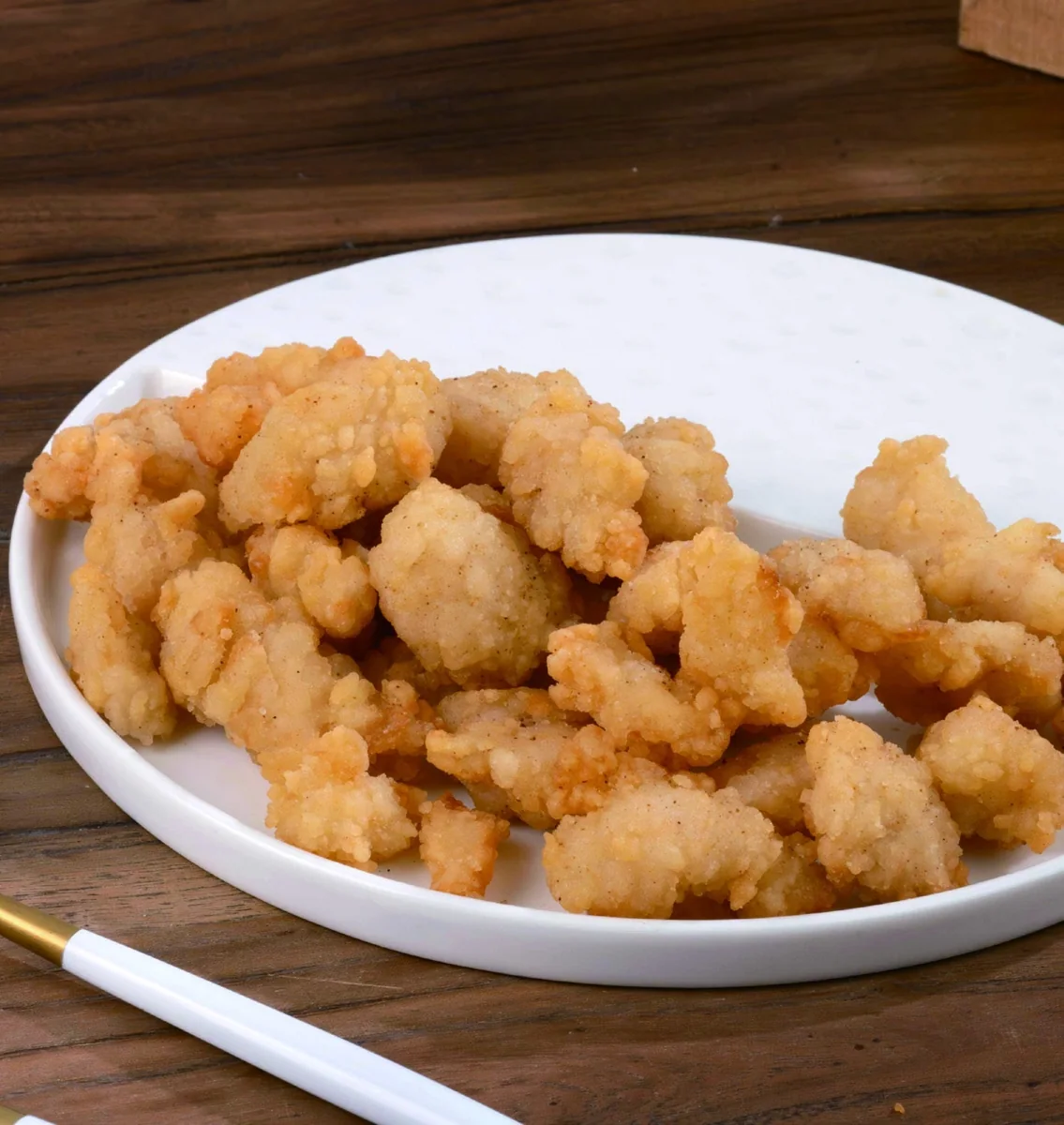
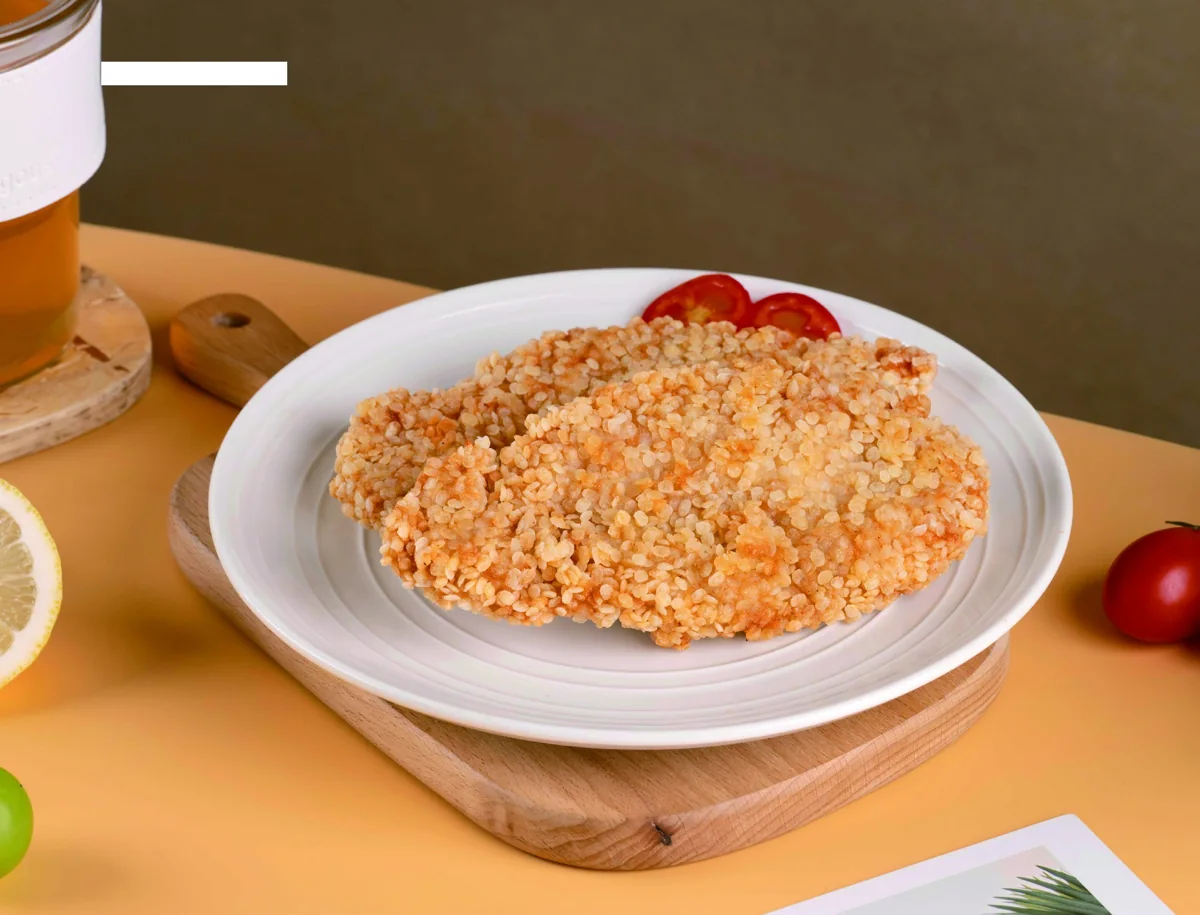
TPJ PROTEIN’s Popcorn Chicken, Crispy Katsu Chicken Cutlet and other catalogue products can provide a starting reference for your brief. Share the fields below with your enquiry. Recipe feasibility, minimum quantities, lead time, supplying-site documents and destination eligibility require confirmation for the selected project.
FROM READING TO AN RFQ
Your buyer checklist
Bring these details into your enquiry so the team can review a focused brief.
- Product reference and intended application
- Meat cut, construction, bone and skin requirements
- Supplied piece weight, tolerance, dimensions and serving size
- Coating style, flavour, sauce arrangement and ingredient restrictions
- Required supply state and intended preparation equipment
- Bag weight, bags per case and foodservice or retail format
- Brand, artwork languages and label approval responsibilities
- Destination country, port and documents to review
- Forecast volume, order pattern, timing and quotation basis
- Sample evaluation method and acceptance criteria