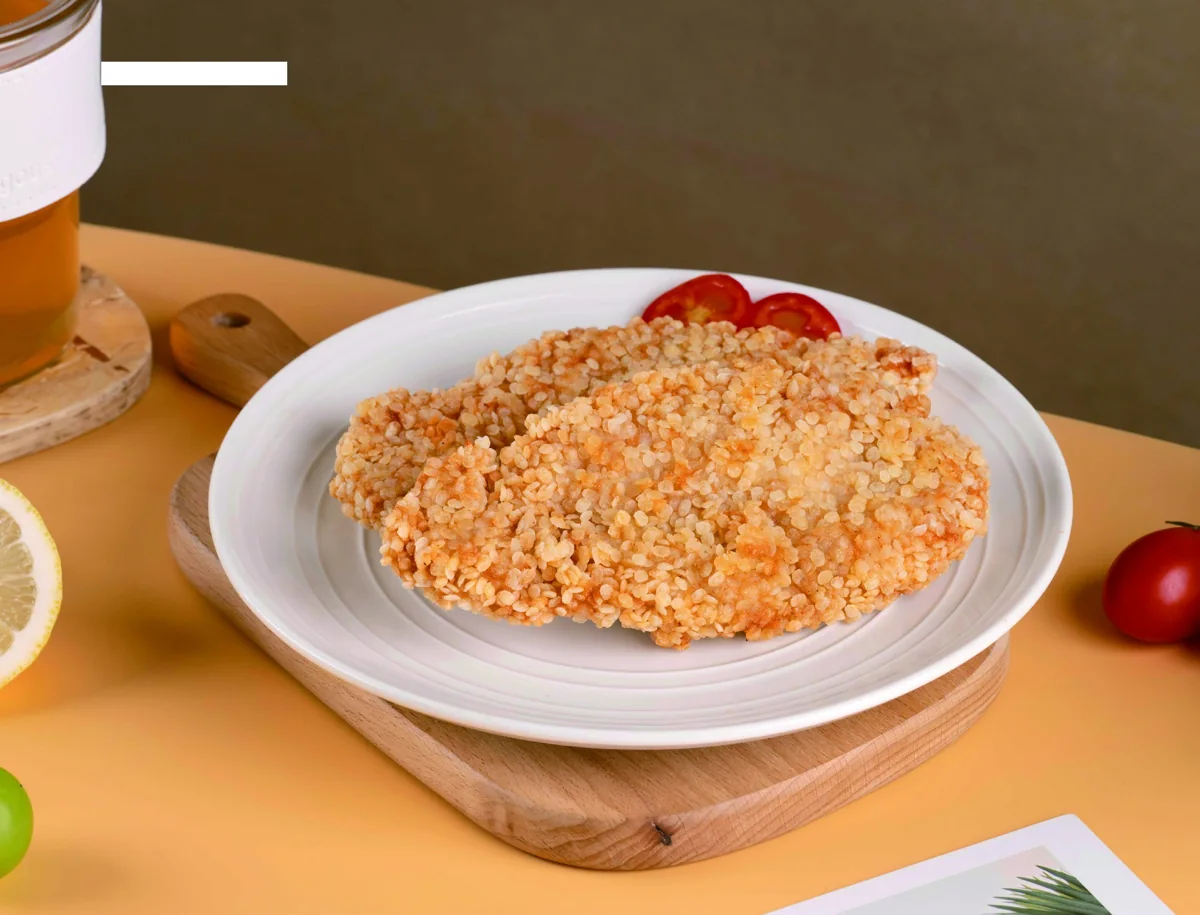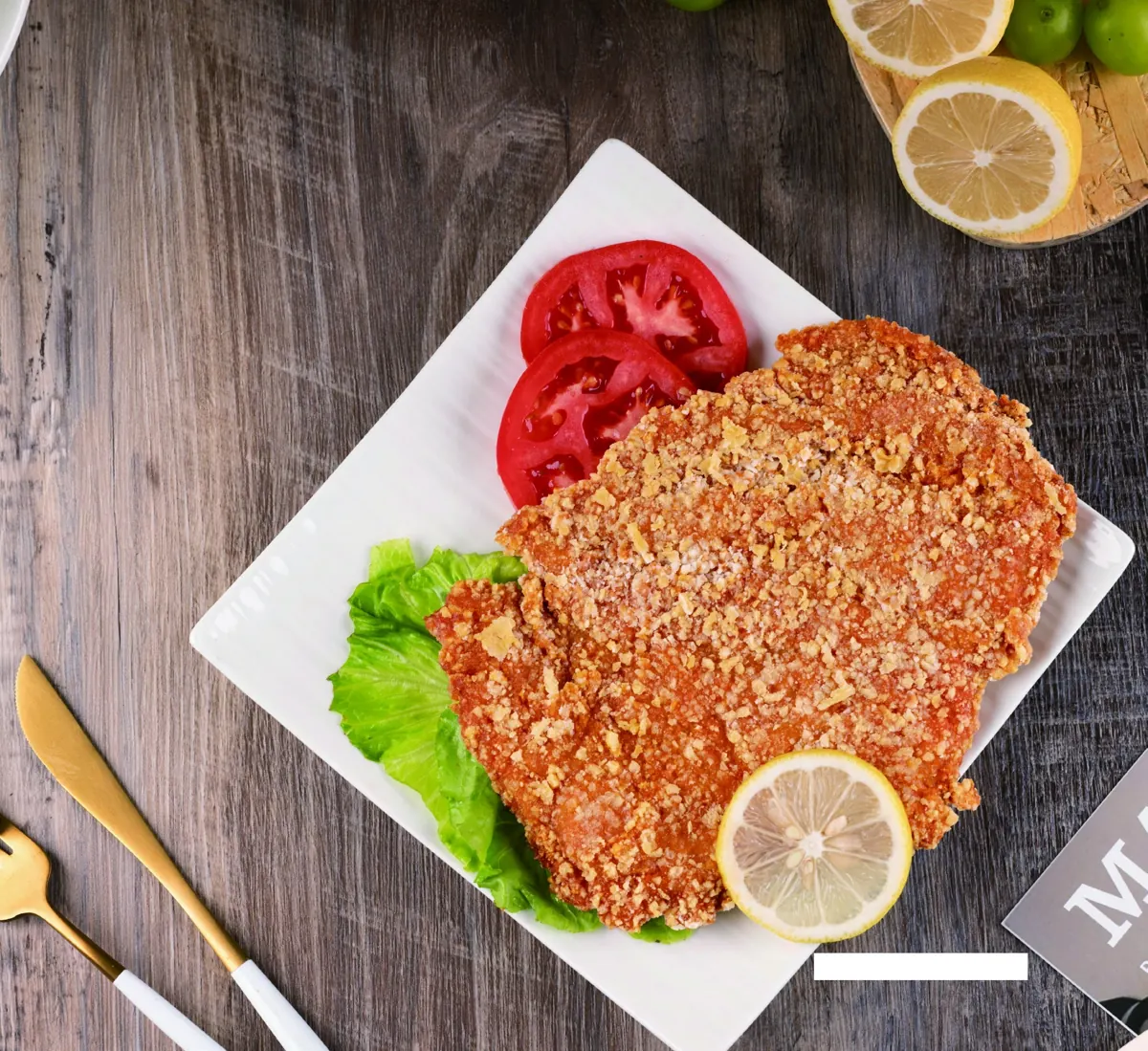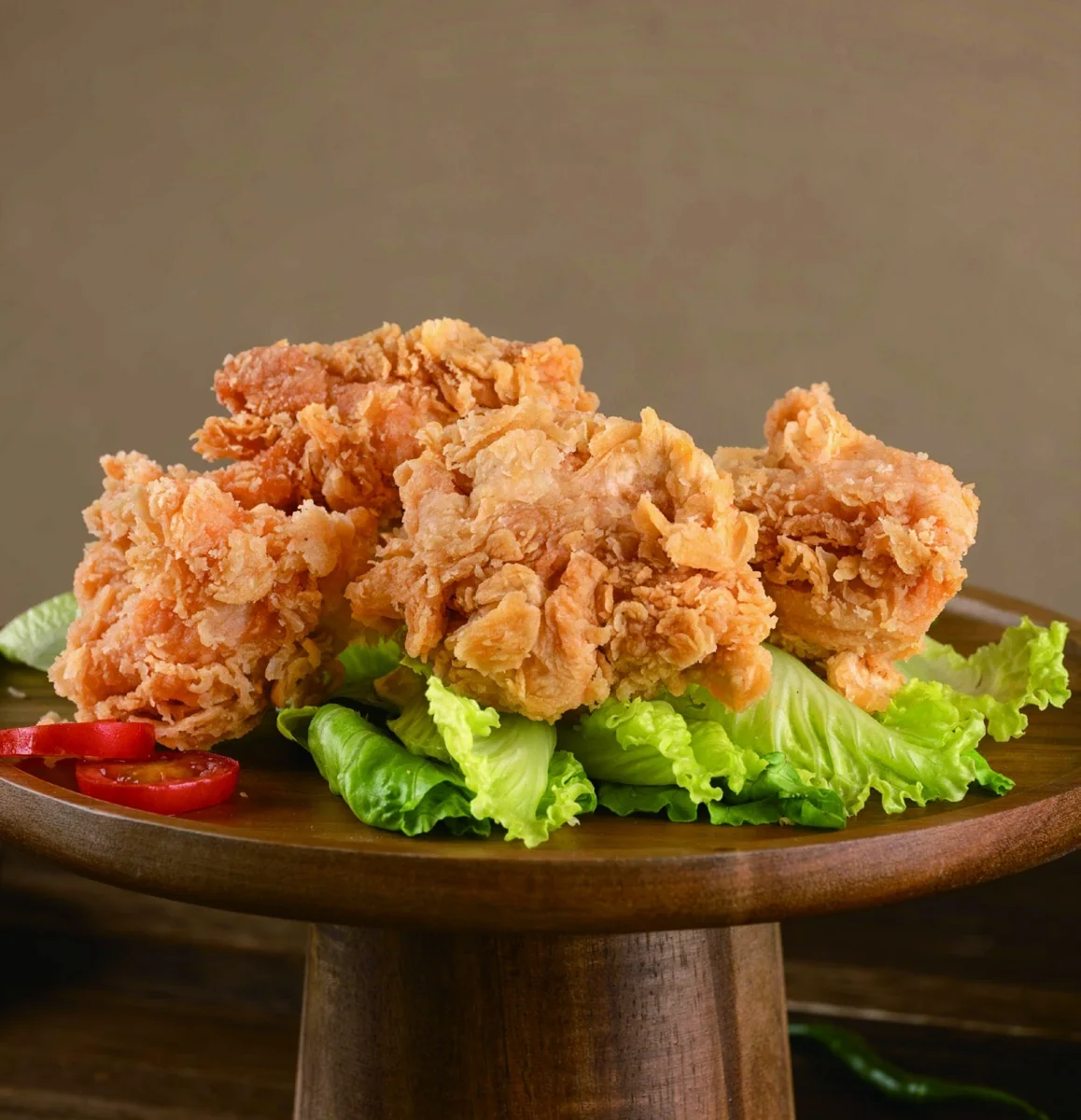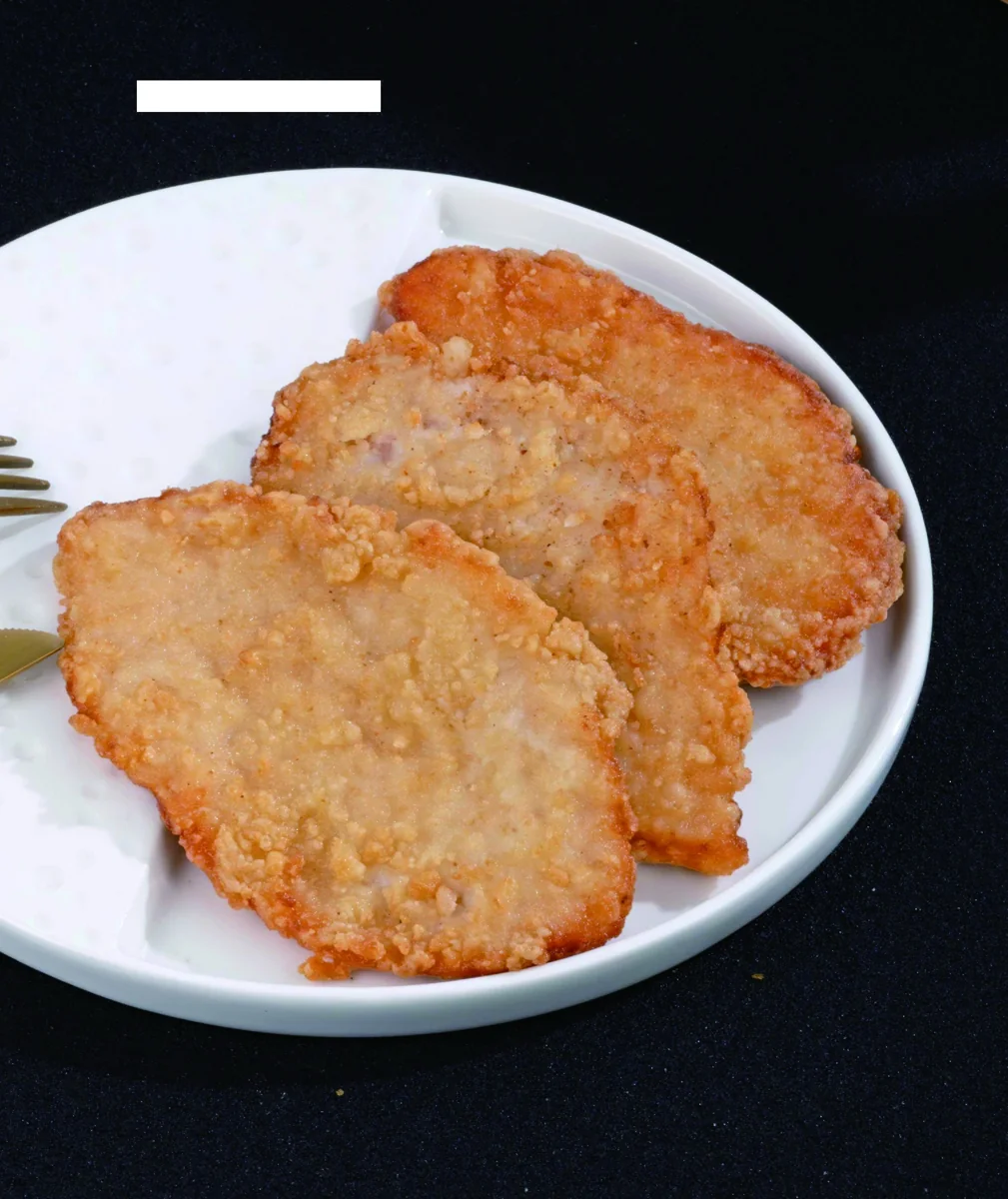
Choose the cutlet around the dish you serve
When sourcing chicken katsu wholesale, start with the finished serving: sliced chicken over rice, a whole cutlet beside vegetables or a sandwich assembled during service. The right comparison asks which format fits that task, how consistently it portions and what the kitchen must do before serving.
Katsu and other breaded chicken cutlets overlap. Panko appears in supplier katsu recipes, while foodservice suppliers also suggest breaded burger fillets for katsu-style burgers. These examples make menu application and product specification separate purchasing questions. Neither a sauce name nor a catalogue photograph defines the meat construction, crumb recipe or cooking state.
Katsu vs breaded chicken cutlet: what to compare
Use the formats below as briefing options. They describe requirements to investigate, rather than guaranteed properties of every product bearing that name. First decide whether your menu needs a particular crumb presentation or simply an accepted result in the finished dish. Then compare samples against the same serving brief.
| Briefing option | Menu task to test | Comparison priorities |
|---|---|---|
| Katsu-style cutlet | Sliced rice dish, plated meal or katsu sandwich | Requested panko crumb, slice integrity, portion footprint and sauce contact |
| Other breaded cutlet | Whole-cutlet plate, burger or sandwich | Specified crumb texture, bun or plate coverage, thickness and seasoning |
| Seasoned or spicy cutlet | Flavour-led main course or sandwich | Agreed heat profile, compatibility with the sauce and complete ingredient information |
Measure the portion that reaches the plate
State the target supplied weight and whether it includes coating. Ask for the meat cut, bone and skin status, and whether the item is a whole cut, formed portion or another construction. Record the confirmed answer in the specification; the word ‘cutlet’ cannot settle it.
For each sample, record weight in grams and length, width and thickness in millimetres. Use agreed measurement positions and record the sample count, average and range. Keep supplied measurements separate from those taken after preparation. A broad but thin portion and a compact thick portion may have the same weight while fitting different dishes.
- For rice dishes, measure the plated footprint and planned slice width.
- For sandwiches, record coverage against the actual bread or bun dimensions.
- Agree acceptable variation before using measurements as acceptance limits.
Turn ‘crispy’ into a crumb and handling brief
Describe the desired crumb structure, visible flake size, surface coverage and prepared colour with an agreed reference. If panko is required, ask the supplier to identify it in the coating specification. A coarse-looking photograph cannot verify the ingredient or coating process.
Assess adhesion separately from texture. Record loose crumb collected at pack opening in grams per kilogram sampled, using a consistent collection method. Photograph any exposed areas after the agreed handling and preparation sequence. This measures observed crumb loss under that method; it does not establish the product’s meat percentage or coating ratio. Request those composition details separately.
Confirm cooking state and ingredients for the selected item
Request written confirmation of whether the cutlet is raw, partially cooked or fully cooked, together with its storage and preparation instructions. USDA FSIS warns that some browned frozen breaded chicken products still require full cooking. Appearance and crispness therefore provide no assurance of ready-to-eat status.
Review the complete ingredients and allergen information for the cutlet and any included sauce. Keep customer-added sauces in the menu review too. Confirm proposed ingredient exclusions or menu claims against the actual formulation and relevant destination requirements.
Send a focused foodservice comparison brief
Compare offers for the same serving task, pack basis and accepted sample criteria. Record pieces or net weight per inner pack, inner packs per case and how portions separate for use. Add your forecast volume, destination and requested quotation basis. Ask the supplier to list unresolved points alongside the offer.
TPJ PROTEIN’s Crispy Katsu Chicken Cutlet, Snowflake Chicken Cutlet and Spicy Fried Chicken Cutlet are catalogue references for this discussion. Their names do not establish a particular meat cut, crumb system or supplied cooking state. Share your menu trial brief so the team can review the exact specification, sample requirements and commercial terms for your project.
FROM READING TO AN RFQ
Your buyer checklist
Bring these details into your enquiry so the team can review a focused brief.
- Catalogue reference and finished menu application
- Whole or sliced serving; plate, bowl, bread or bun dimensions
- Target supplied weight, weighing basis, dimensions and tolerances
- Requested meat construction, cut, bone and skin status
- Crumb reference, panko requirement, seasoning and ingredient restrictions
- Supplier-confirmed cooking state and intended kitchen equipment
- Slicing method, sauce arrangement and service-trial acceptance criteria
- Inner pack, case format and portion-separation requirements
- Destination, forecast volume, timing and quotation basis