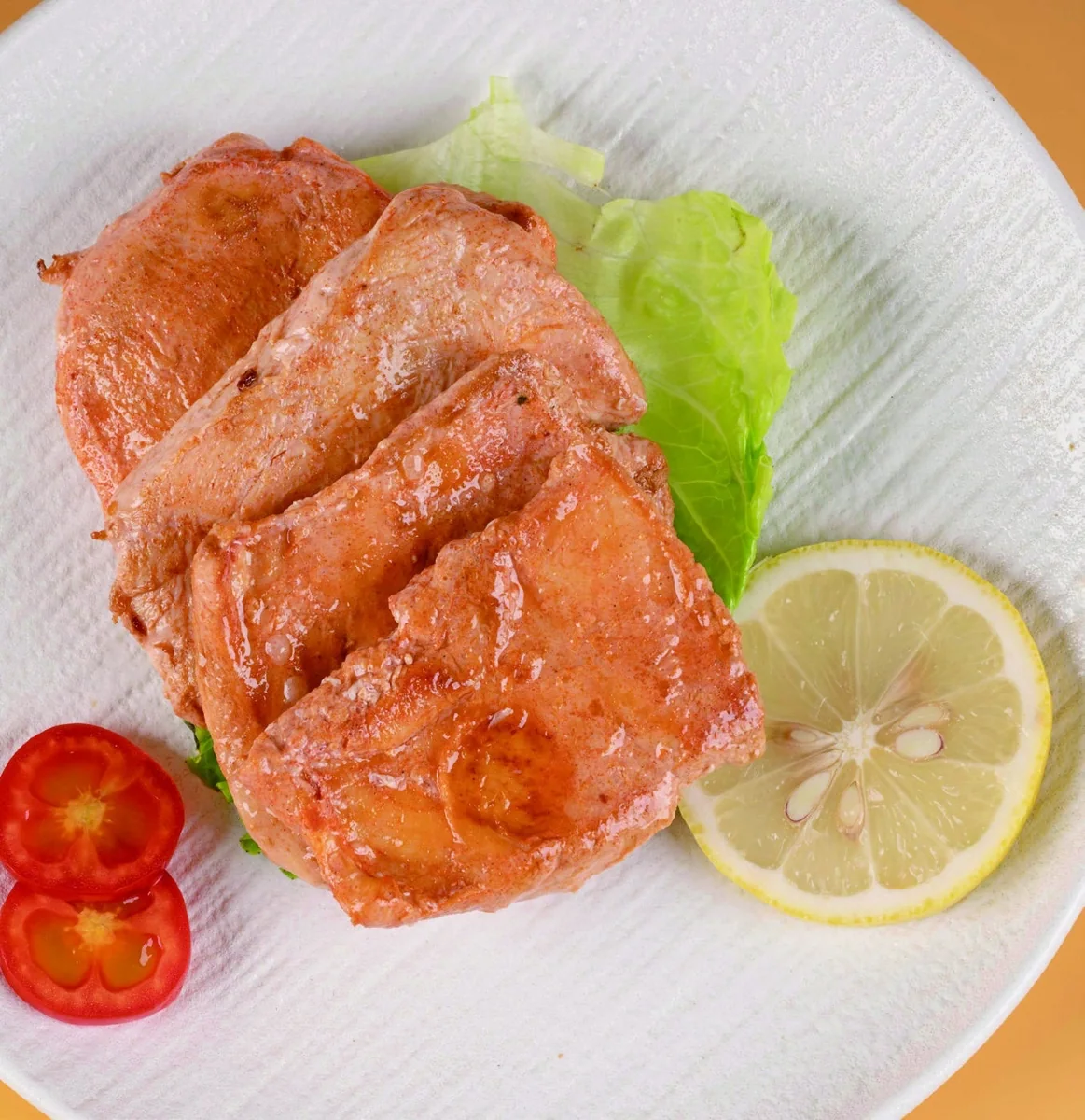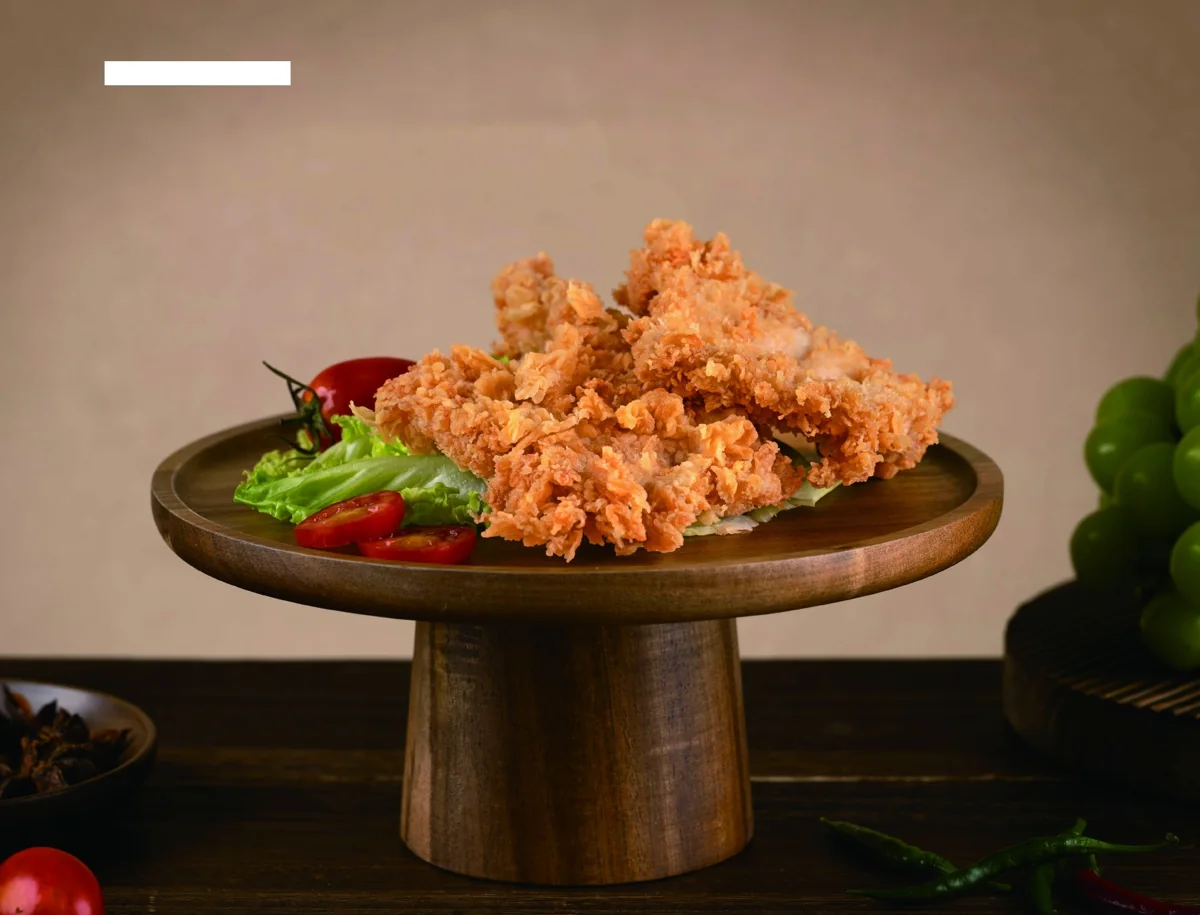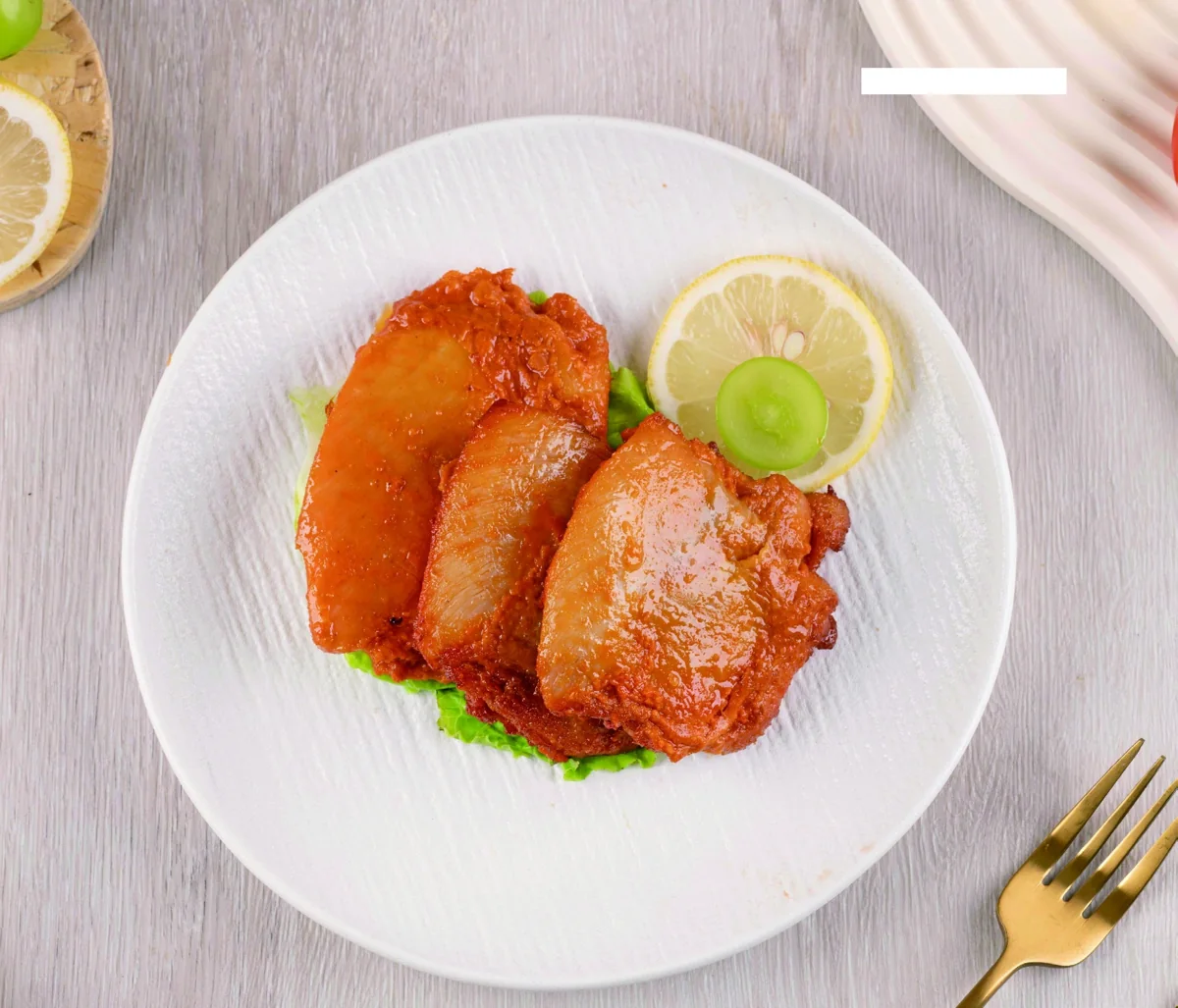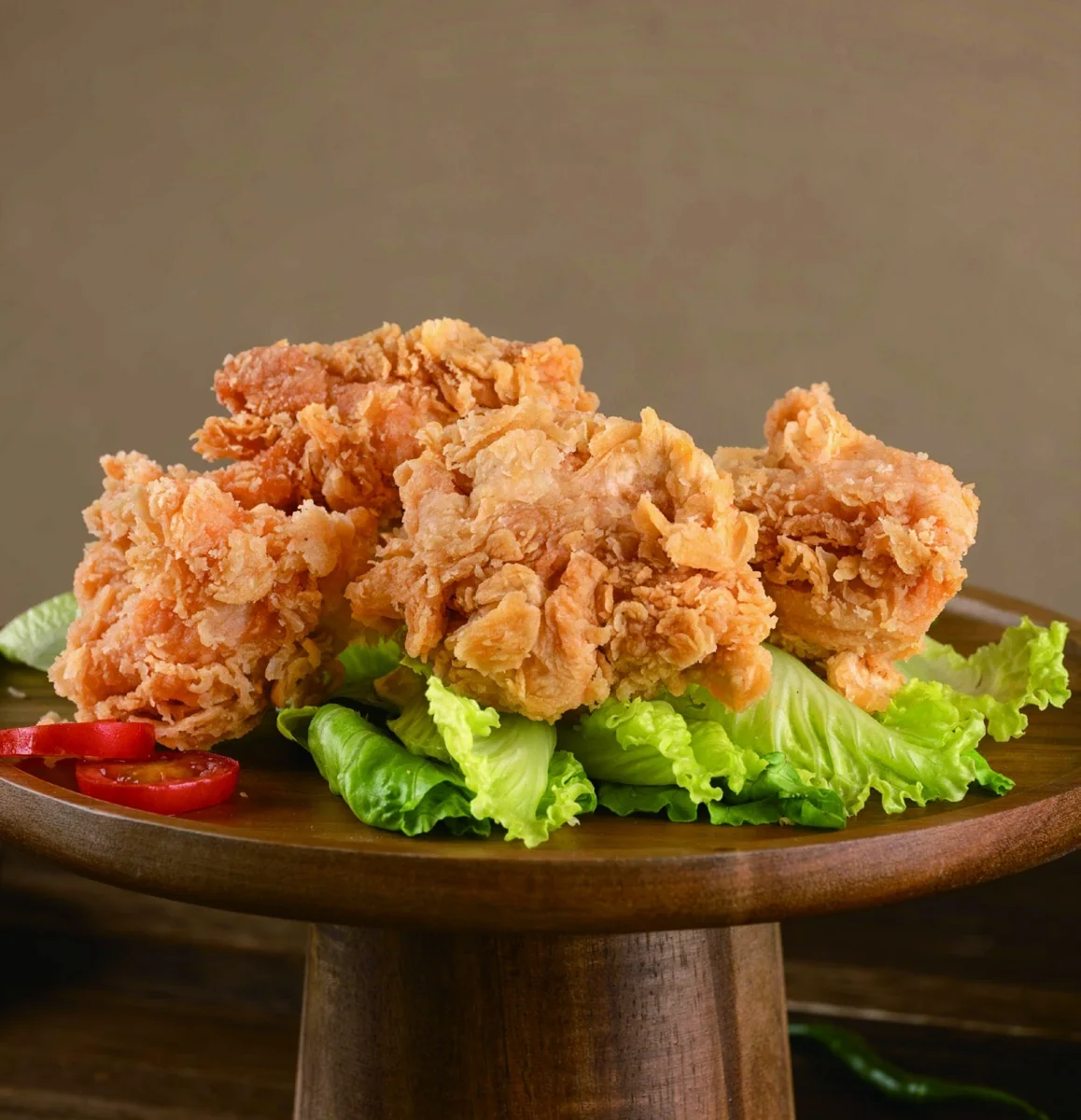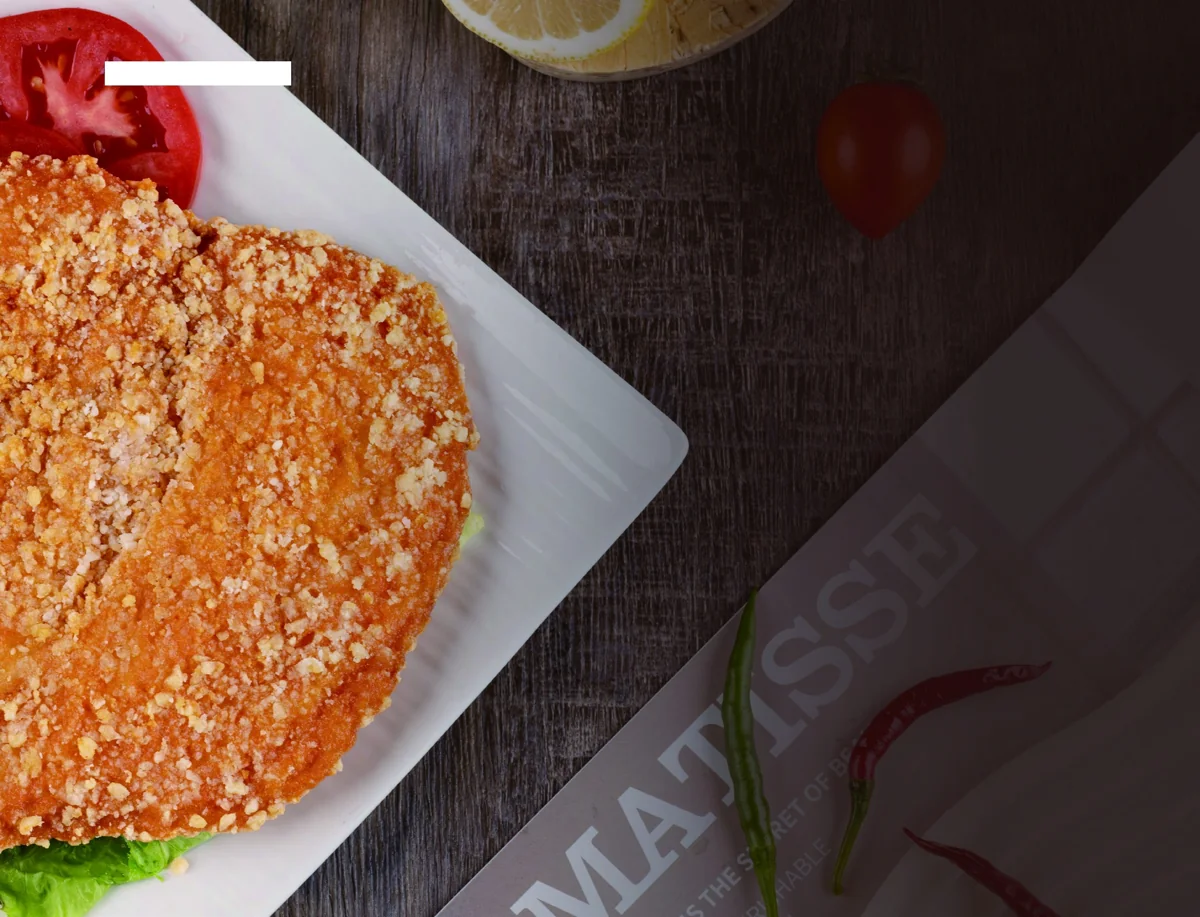
Start with the portion you need to serve
A useful marinated chicken steak wholesale enquiry explains what must arrive in the carton and how the buyer intends to use it. A restaurant steak, a sandwich filling and a retail cook-at-home portion may share a product name while requiring different dimensions, ingredients and packaging. Define the serving application before comparing prices.
The TPJ catalogue names a 200g Pre-Marinated Chicken Steak. That nominal weight belongs to this specific catalogue item; it is not a standard weight for the thigh cutlets, breast steaks or other marinated products. The catalogue name alone does not establish its meat cut, tolerance, recipe or cooking state.
Specify thigh or breast, then describe the shape
Write breast or thigh explicitly, together with bone and skin status. Ask whether the portion is a whole-muscle cut, a cut portion or another agreed construction. Include trimming expectations and any unacceptable cartilage, skin or visible fat. Do not leave these decisions inside the general word “steak.”
Give length, width and thickness targets that fit the serving format and cooking equipment. A photograph beside a ruler can communicate a shape requirement, but the approved written specification should record the actual acceptance limits.
Make the 200g weighing basis unambiguous
If discussing the catalogue-listed 200g item, ask exactly when and how that weight is measured. Is it the marinated frozen portion as supplied, the meat before marination or another declared basis? Record the agreed treatment of free liquid and any glaze, rather than assuming two quotations use the same calculation.
Separate nominal piece weight from individual tolerance, average pack weight and declared net weight. Buyers should propose the limits they need; suppliers should confirm what can be supplied. Agree a sampling method and what happens when a delivery falls outside the approved limits.
Review the marinade and cooking state
Request the ingredient list, relevant sub-ingredients and allergen information for the exact formulation. Describe the intended saltiness, sweetness, chilli heat, colour and aroma with a reference sample or a written brief. Ask how seasoning and added solution are declared, and confirm any requested ingredient exclusions in writing.
Marinated does not mean cooked. Record whether the supplied product is raw or has undergone a defined heat process, then obtain the applicable storage and preparation instructions. Review the recipe and label together; an approved flavour sample is not a substitute for ingredient information.
Compare samples under one recorded method
Assign each sample a product code, specification version and lot reference. Compare the products using the agreed frozen or thawed starting condition, portion load, equipment and preparation instructions. A fair comparison does not give one sample extra time, a different sauce or a different holding period.
Record starting weight, finished weight, appearance, texture, flavour and portion dimensions. If calculating cooking yield, state the same numerator and denominator for every sample. Record the holding conditions used in the trial; otherwise a buyer may mistake a process difference for a product difference.
- Photograph the unopened pack, the portion before preparation and the finished serving.
- Keep the approved sample reference connected to the final specification version.
- Separate required pass/fail criteria from preferences that can be adjusted during development.
Make packing and price use the same unit
Specify the inner format as well as the export carton. Individually separated portions, a bulk bag and a retail tray create different handling requirements. Ask for the confirmed storage temperature, shelf life and date-marking format for the selected item; do not borrow these from another catalogue product.
| RFQ point | What to record |
|---|---|
| Inner pack | Pieces or net kilograms per bag or tray; separation method. |
| Outer case | Inner packs per case; declared case net weight and dimensions. |
| Label | Brand, language, product code, batch and preparation information. |
| Commercial basis | Currency, price unit, named port or place and agreed trade term. |
Send an RFQ that can become an agreed specification
Use the fields below as a starting point. Leave an unknown value marked “supplier to confirm” rather than inserting an industry average. Share the destination and importer early so that product development and the applicable export-document review can proceed together.
Charles Tao and the TPJ Food Group team can use this brief to discuss the selected catalogue reference, sample requirements and a quotation. Final availability, product details and commercial terms should be confirmed for that specific enquiry.
FROM READING TO AN RFQ
Your buyer checklist
Bring these details into your enquiry so the team can review a focused brief.
- Catalogue reference / product name: [enter selected item]
- Destination country and port: [enter]
- Importer / company / contact: [enter]
- Application and cooking equipment: [enter]
- Meat cut / construction / bone / skin status: [enter]
- Nominal piece weight and weighing basis: [enter]
- Individual tolerance and sampling method: [enter]
- Portion dimensions and trimming limits: [enter]
- Marinade brief / ingredients / allergen requirements: [enter]
- Supplied cooking state and preparation instructions: [supplier to confirm]
- Inner pack / pieces per pack / case net weight: [enter]
- Storage / shelf life / label language: [supplier to confirm]
- Trial quantity / forecast volume / shipment timing: [enter]
- Sample approval criteria / specification version: [enter]
- Price unit / currency / trade term / named place: [enter]
- Required factory and destination documents: [enter]