Build one connected product and factory record
A prepared chicken export enquiry becomes easier to assess when the product description, producing establishment and destination requirements can be matched. A catalogue photograph starts a conversation. The buying decision needs documents identifying the exact item and the site that will make it.
Begin with one product code and a dated specification. Use that reference on sample records, ingredient information, proposed labels and quotations. When a formula or production site changes, request an updated document set instead of assuming the previous approval still covers the offer.
Confirm the product state before discussing the route
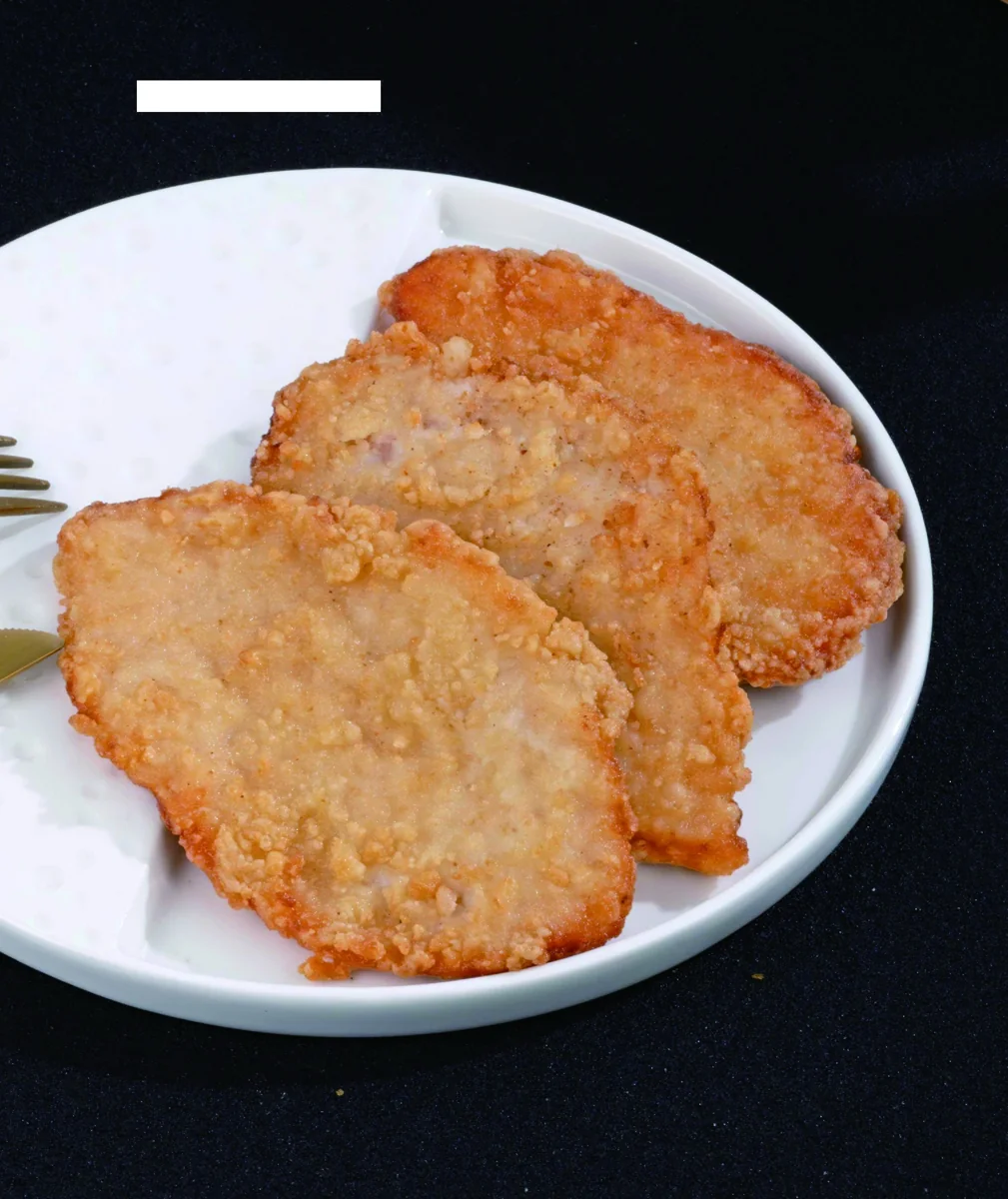
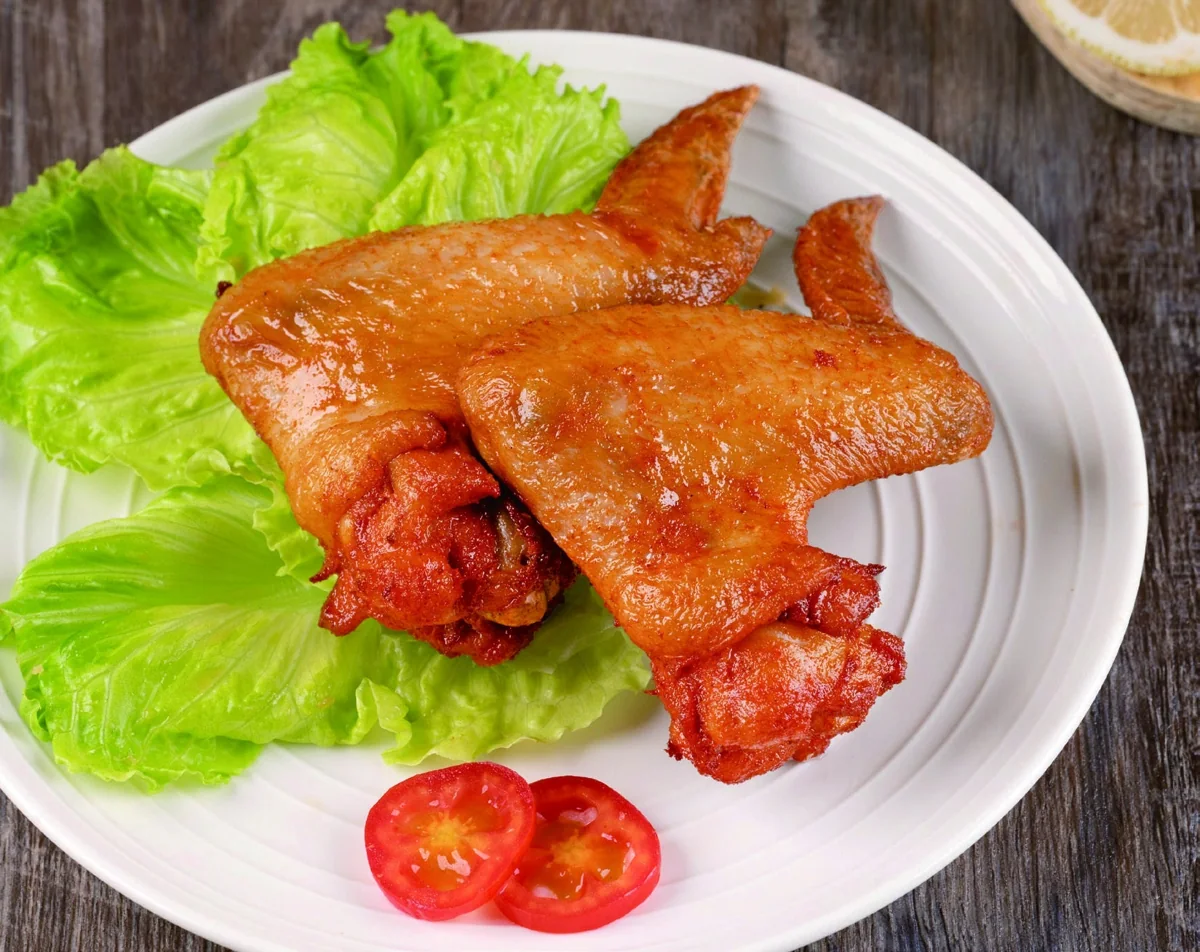
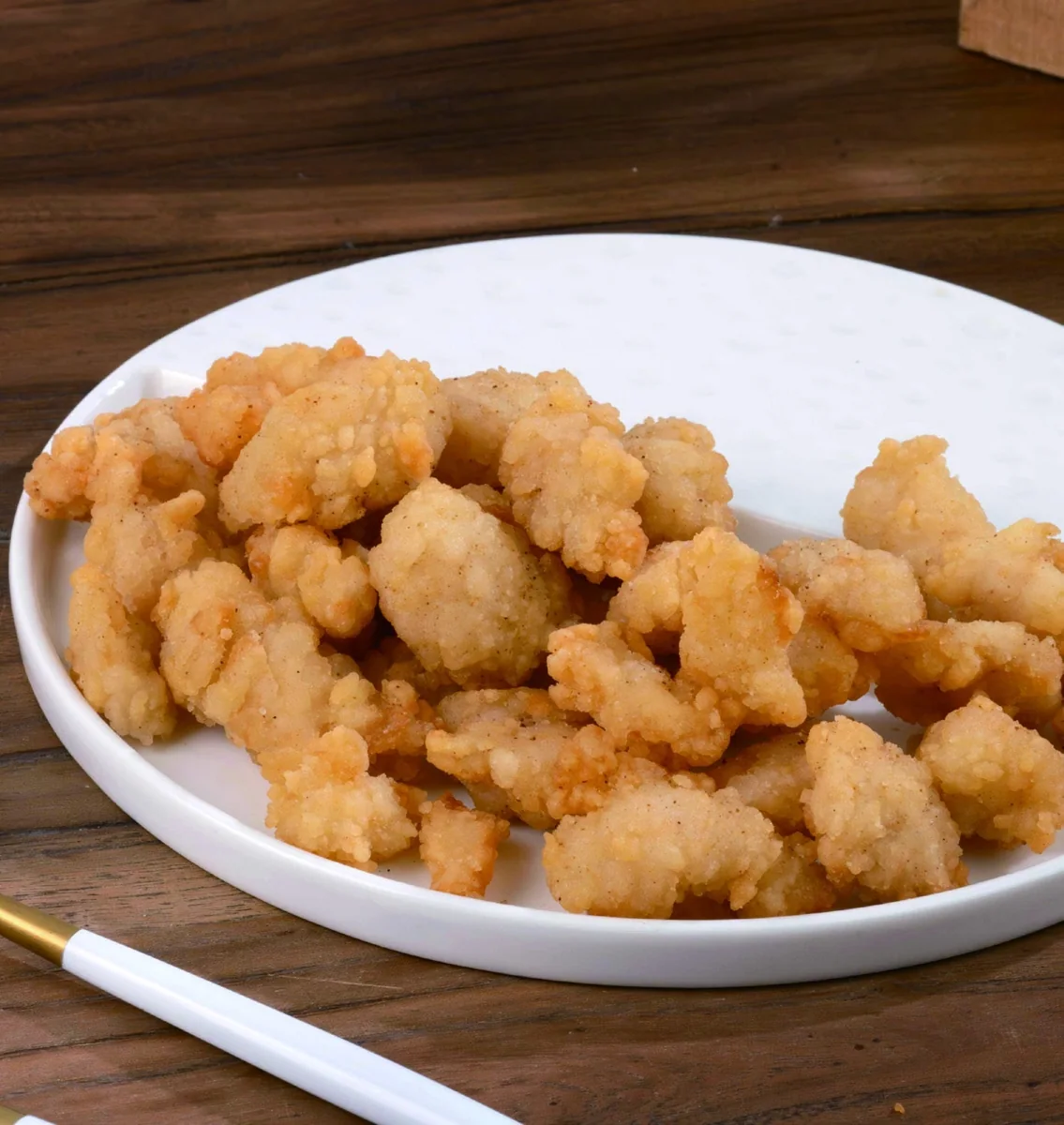
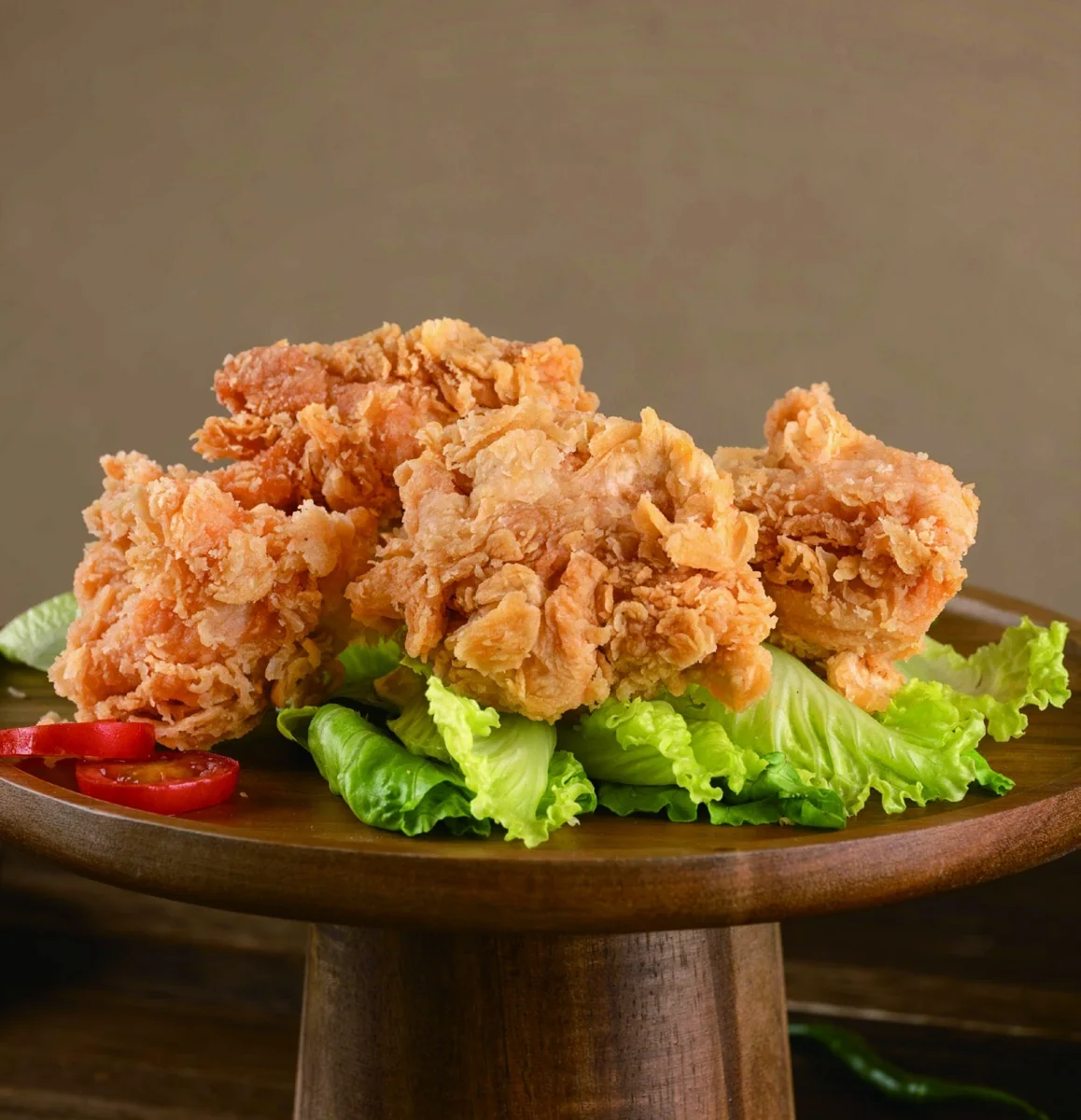
Ask whether the item is raw marinated chicken, raw coated chicken, partly cooked or fully cooked. Request a process description that explains the supplied state and intended preparation. A golden coating or a product name containing “fried” does not establish ready-to-eat status; USDA FSIS specifically cautions that some frozen breaded chicken products require full cooking.
For a cooked product, ask separately whether it is intended to be eaten without further cooking or requires preparation before consumption. The product specification, preparation instructions and label should describe the same intended use. Do not resolve a disagreement by choosing the most convenient description.
Match ingredients and allergens to the actual formula
Request a current ingredient list covering marinade, coating and any sauce, together with the supplier’s allergen declaration. Identify whether sauce is included in the same pack, supplied separately or added by the buyer. This changes which documents and labels need review.
Compare the ingredient statement with the approved sample and packaging artwork. Ask who will notify the buyer of formulation changes and how revised specifications will be issued. A test report for one sample should not be treated as a complete declaration of recipe or cross-contact controls.
Use a review matrix to expose missing links
Keep a short review sheet rather than collecting certificates into an unlabelled folder. Record the document owner, version, review date and any unresolved question. The following matrix is a buyer’s working checklist, not a universal list of legally required documents.
| Review area | Evidence to request | Question to resolve |
|---|---|---|
| Product state | Dated specification, process description, preparation instructions | Does every document describe the same raw or processed item? |
| Ingredients / allergens | Formula statement, sauce details, allergen declaration, proposed label | Do these match the approved sample and final pack? |
| Producing establishment | Legal name, physical address, applicable establishment number | Which site will manufacture, pack and dispatch this item? |
| Certificates and scope | Complete current certificate and product/site annexes | Does the named site and activity cover the product offered? |
| Destination / importer | Importer review, official source listing and route-specific conditions | Is this exact country, product and establishment combination eligible? |
| Quotation | Product code, pack, quantity, named trade place, validity and conditions | What is included, and which points remain subject to confirmation? |
Read the certificate, including its annexes
Compare the legal entity and address with the proposed producing site. Read the covered activities, listed products, exclusions and dates. Where an issuer provides a verification service, check the document there and retain the review date. A group company’s vegetable certificate does not establish certification of chicken made at another site.
If halal certification is required, identify the exact product, production site, issuing body and destination recognition requirements with the importer. Treat commercial food-safety certification and official import eligibility as separate review tasks.
Use destination rules for the exact product category
Singapore provides a useful example: SFA requires meat imports from approved sources and directs importers to check the current accreditation database and circulars. It also requires a competent-authority health certificate for each meat consignment. A supplier’s general export history does not answer those specific checks.
For the EU, the European Commission distinguishes country listing from establishment listing and publishes establishment categories. The importer should verify the applicable category and current conditions for the proposed product, rather than treating all chicken preparations as one route. Japan, South Korea, Malaysia, Brunei and other destinations need their own current review.
These examples explain what to verify; they do not establish approval of a TPJ product or factory for any destination.
Resolve the gaps before committing the order
At enquiry stage, mark each matrix row confirmed, pending or requiring revision. Assign one person to resolve every pending item. Before an order is agreed, connect the final product specification, production site, approved packaging and commercial offer. Plan shipment-specific documents with the exporter and importer at the appropriate stage.
Send Charles Tao and the TPJ Food Group team the destination, selected product and the importer’s document checklist. That gives the team a defined request to review, rather than an open-ended request for every certificate held by every group company.
FROM READING TO AN RFQ
Your buyer checklist
Bring these details into your enquiry so the team can review a focused brief.
- Selected product / code / specification version: [enter]
- Supplied state / intended use / preparation method: [enter]
- Destination / port / importer legal entity: [enter]
- Producing and packing establishment details: [request]
- Ingredient / allergen / sauce documents: [request]
- Required certificates and applicable product scope: [enter]
- Official eligibility check / reviewer / date: [record]
- Label language / artwork approval owner: [enter]
- Pack / quantity / timing / quotation basis: [enter]
- Outstanding documents / responsible person / due date: [record]